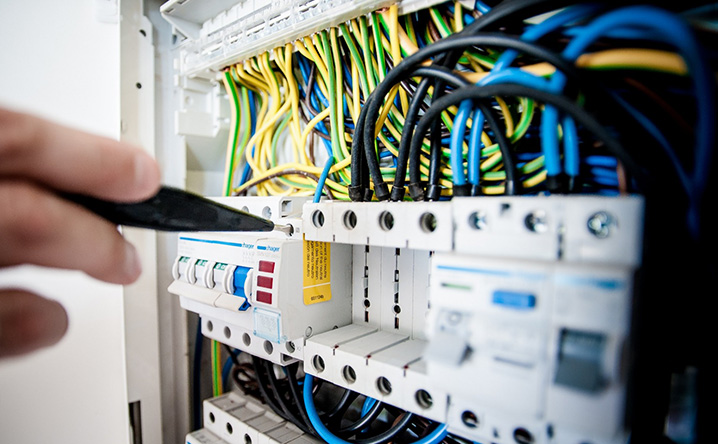
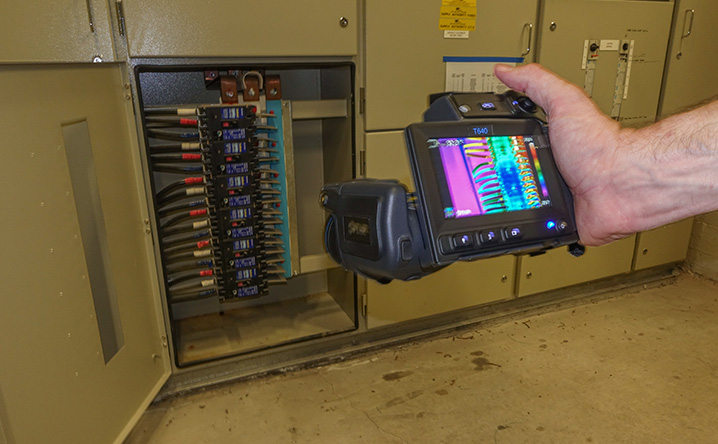
A Residual Current Device (RCD) is a safety device that disconnects a circuit whenever it detects that the current flowing through it is not balanced, which may indicate a fault such as an electric shock. RCD testing involves checking the RCD’s ability to disconnect the circuit in the event of a fault, typically done by tripping the RCD using a test button or test device. The frequency of testing depends on the device’s usage, but it is generally recommended to perform an RCD test at least once a year, or as advised by the manufacturer. In addition, RCDs should also be tested before first use and after any changes to the electrical installation.